
We’re bringing back the vitality and outlook of Durham’s Black Wall Street.
At Provident1898, we support entrepreneurs and want to create a sense of community here in Durham, North Carolina. More specifically, we want to bring back the economic vitality and progress of Durham’s Black Wall Street, creating an environment where black-owned businesses thrive.
In the early 1900s, Durham became the destination for entrepreneurship, and businesses owned by African Americans were prominent on Parrish Street. This business area acquired the name “Black Wall Street” and eventually grew to a four-block area that became the epicenter for black residents’ cultural, educational, and religious life.
Our own version of Durham’s Black Wall Street may look a little different, but it embodies the same spirit and drive present in this block of the world nearly a century ago. We support business owners with a space to gather resources, connect with the community, and dedicate their time to new ventures that support their goals.
We welcome everyone who wants to participate in our mission and join us to continue the progress of enterprise and determination in Durham, North Carolina. Provident1898 is where ideas become actions, and we are always eager to hear new ideas and explore their possibilities.
Come be a part of Provident1898 and join a community where entrepreneurs thrive. Schedule a tour of our space today or give us a call if you have any questions about our resources, community, or location.
Upbuilders of Durham’s Billion Dollar Economy
When Durham needed heroes, The Upbuilders answered the call. The Visionary dreamed it, The Guardian protected it, The Powerhouse built it, and The Rainmaker made it flourish. Today at Provident1898, their powers live on in you. Join us in writing the next chapter of Durham’s story.
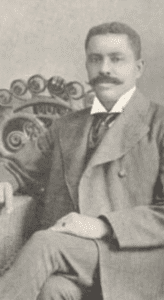
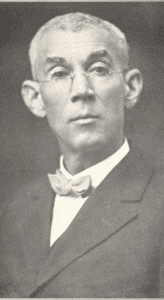
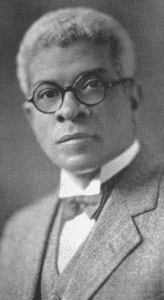
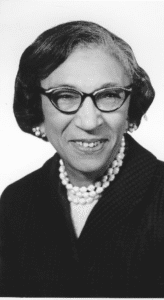
Contact Provident1898 Today!
FAQs About Black Wall Street
To this day, the legacy of Black Wall Street still shapes Durham’s identity as a hub for Black innovation, business leadership, and community development. Learn more about its past, the work our community is doing to revitalize it, and our hopes for the future.
Hidden
What was Durham’s Black Wall Street?
Durham’s Black Wall Street is a historic Black business district along Parrish Street in Durham, North Carolina. It was built during segregation when Black communities were excluded from white-owned financial institutions, and it included banks, insurance companies, medical practices, retail stores, and professional services.
Why was Durham’s Black Wall Street important?
Black Wall Street was one of the most successful Black economic ecosystems in the United States and one of the earliest models of Black economic independence in the nation. It demonstrated that Black businesses could operate at a large scale successfully despite systemic exclusion.
What is Provident1898’s connection to Durham’s Black Wall Street?
Provident1898 is connected to Black Wall Street physically and philosophically. We are located in the historic NC Mutual Tower at 411 W. Chapel Hill Street, occupying a space that once supported Black enterprise, collaboration, and institutional building, and we strive to do the same.
What resources do you offer members?
Members can access coworking and private office spaces, business development programming, workshops, and fellowship opportunities. Other resources include a curated network of advisors and peers and initiatives like The Heirloom Network, which focuses on legacy-building and long-term wealth creation for Black entrepreneurs.
What is the mission of Provident1898?
We are dedicated to making sure Durham’s Black Wall Street is not just remembered but actively resourced, protected, and expanded. Our mission is to honor the work of Black financial pioneers and carry forward Black Wall Street’s legacy by supporting Black entrepreneurship today.
Contact Provident1898 Today!
At Provident1898, we have a coworking space inspired by the legacy of Black Wall Street for entrepreneurs and artists in the Research Triangle area, including Durham, Raleigh, and Chapel Hill, North Carolina.